Buy petitelectromenager.eu ?
We are moving the project
petitelectromenager.eu .
Are you interested in purchasing the domain
petitelectromenager.eu ?
domain@kv-gmbh.de · 0541-91531010
Buy petitelectromenager.eu ?
How can reducing and non-reducing sugars be detected?
Reducing sugars can be detected using Benedict's test, in which the reducing sugar is heated with Benedict's reagent and a color change from blue to green, yellow, orange, or red indicates the presence of reducing sugars. Non-reducing sugars can be detected by first hydrolyzing them into reducing sugars using acid hydrolysis, and then performing the Benedict's test to detect the presence of reducing sugars. Another method to detect reducing and non-reducing sugars is through chromatography, where the sugars are separated based on their interactions with a stationary phase and a mobile phase, and then visualized using specific detection methods. **
Which kitchen appliances have a long lifespan, such as mixers, etc.?
Kitchen appliances that typically have a long lifespan include mixers, food processors, and high-quality blenders. These appliances are built to withstand frequent use and are often made with durable materials that can last for many years. Investing in well-known brands and models known for their longevity can also help ensure that these appliances have a longer lifespan. Regular maintenance and proper care, such as cleaning and storage, can also contribute to extending the lifespan of these kitchen appliances. **

Similar search terms for AMiO-04781-Increasing-Reducing
Top-Angebote
Products related to AMiO-04781-Increasing-Reducing:
-
CreateConfidence Height Increasing Insoles 3.5 CMDo you look the shortest in the family photo and want to increase your height Have you tried all the hanging exercises, but none yielded any benefit So get these heightincreasing insoles that can increase your height by about 3.5 cm. Wear them under...27,97 $*Shipping: 0,00 $Secure redirect to the provider



-
Which kitchen appliances also have a long lifespan, such as mixers, etc.?
Kitchen appliances such as mixers, blenders, and food processors are known for their long lifespan. These appliances are designed to withstand heavy use and are built with durable materials, making them reliable for many years. Additionally, high-quality brands and models of these appliances are often built to last, making them a worthwhile investment for any kitchen. Regular maintenance and proper care can also help extend the lifespan of these appliances. **
-
Are halogens reducing agents?
No, halogens are not reducing agents. In chemical reactions, reducing agents are substances that donate electrons to other reactants, causing them to be reduced. Halogens, on the other hand, are highly electronegative elements that tend to gain electrons rather than lose them, making them more likely to act as oxidizing agents. **
-
When is sugar reducing?
Sugar is reducing when it undergoes a chemical reaction that breaks down its molecular structure, resulting in a decrease in its overall concentration. This reduction can occur when sugar is heated, such as when caramelizing sugar to make caramel, or when sugar is fermented by yeast to produce alcohol. Additionally, sugar can also be reduced through enzymatic reactions, where enzymes break down sugar molecules into simpler forms. **
-
What are reducing sugars?
Reducing sugars are a type of sugar that have the ability to reduce other substances, particularly by donating electrons. This is due to the presence of a free aldehyde or ketone group in their chemical structure. Common examples of reducing sugars include glucose, fructose, and maltose. When reducing sugars react with certain compounds, they can cause a color change, such as in the Benedict's test for detecting the presence of reducing sugars. **

What does reducing mean?
Reducing means to make something smaller, decrease in size, quantity, or intensity. It can also refer to simplifying or streamlining a process or system. In mathematics, reducing involves simplifying a fraction or expression to its simplest form. Overall, reducing involves minimizing or decreasing something to a more manageable or efficient state. **
What is non-reducing sugar?
Non-reducing sugars are carbohydrates that do not have a free aldehyde or ketone group, which is necessary for the reducing sugar reaction. This means they cannot reduce other substances, such as Fehling's solution or Benedict's solution. Non-reducing sugars include disaccharides like sucrose, which is made up of glucose and fructose molecules bonded together in a way that does not allow them to open up and form a free aldehyde or ketone group. **
Top-Angebote
Products related to AMiO-04781-Increasing-Reducing:
-
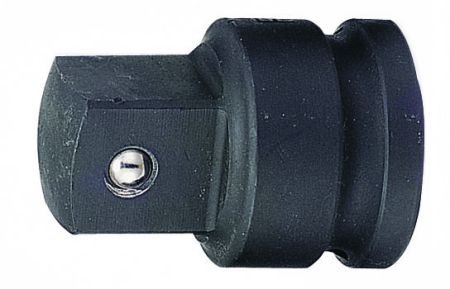
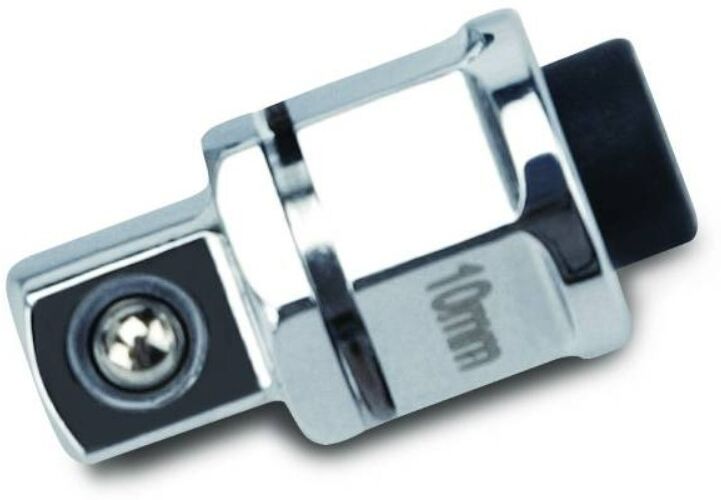
AMiO 04781 Increasing / Reducing Adapter Set, ratchetDrive [inch]: 1/4, 3/4; Square Drive Tang Size [mm (inch)]: 6.3 (1/4), 12.5 (1/2), 10 (3/8); Shape: Short, Long; Work side (profile): Hexagon Socket; Material: Tool Steel; Number of tools: 6; Drive side (profile): Rectangle8,59 £*Shipping: 8,45 £Secure redirect to the provider
-
How can reducing and non-reducing sugars be detected?
Reducing sugars can be detected using Benedict's test, in which the reducing sugar is heated with Benedict's reagent and a color change from blue to green, yellow, orange, or red indicates the presence of reducing sugars. Non-reducing sugars can be detected by first hydrolyzing them into reducing sugars using acid hydrolysis, and then performing the Benedict's test to detect the presence of reducing sugars. Another method to detect reducing and non-reducing sugars is through chromatography, where the sugars are separated based on their interactions with a stationary phase and a mobile phase, and then visualized using specific detection methods. **
-
Which kitchen appliances have a long lifespan, such as mixers, etc.?
Kitchen appliances that typically have a long lifespan include mixers, food processors, and high-quality blenders. These appliances are built to withstand frequent use and are often made with durable materials that can last for many years. Investing in well-known brands and models known for their longevity can also help ensure that these appliances have a longer lifespan. Regular maintenance and proper care, such as cleaning and storage, can also contribute to extending the lifespan of these kitchen appliances. **
-
Which kitchen appliances also have a long lifespan, such as mixers, etc.?
Kitchen appliances such as mixers, blenders, and food processors are known for their long lifespan. These appliances are designed to withstand heavy use and are built with durable materials, making them reliable for many years. Additionally, high-quality brands and models of these appliances are often built to last, making them a worthwhile investment for any kitchen. Regular maintenance and proper care can also help extend the lifespan of these appliances. **
-
Are halogens reducing agents?
No, halogens are not reducing agents. In chemical reactions, reducing agents are substances that donate electrons to other reactants, causing them to be reduced. Halogens, on the other hand, are highly electronegative elements that tend to gain electrons rather than lose them, making them more likely to act as oxidizing agents. **
Similar search terms for AMiO-04781-Increasing-Reducing
-
CreateConfidence Height Increasing Insoles 3.5 CMDo you look the shortest in the family photo and want to increase your height Have you tried all the hanging exercises, but none yielded any benefit So get these heightincreasing insoles that can increase your height by about 3.5 cm. Wear them under...27,97 $*Shipping: 0,00 $Secure redirect to the provider
-
When is sugar reducing?
Sugar is reducing when it undergoes a chemical reaction that breaks down its molecular structure, resulting in a decrease in its overall concentration. This reduction can occur when sugar is heated, such as when caramelizing sugar to make caramel, or when sugar is fermented by yeast to produce alcohol. Additionally, sugar can also be reduced through enzymatic reactions, where enzymes break down sugar molecules into simpler forms. **
-
What are reducing sugars?
Reducing sugars are a type of sugar that have the ability to reduce other substances, particularly by donating electrons. This is due to the presence of a free aldehyde or ketone group in their chemical structure. Common examples of reducing sugars include glucose, fructose, and maltose. When reducing sugars react with certain compounds, they can cause a color change, such as in the Benedict's test for detecting the presence of reducing sugars. **
-
What does reducing mean?
Reducing means to make something smaller, decrease in size, quantity, or intensity. It can also refer to simplifying or streamlining a process or system. In mathematics, reducing involves simplifying a fraction or expression to its simplest form. Overall, reducing involves minimizing or decreasing something to a more manageable or efficient state. **
-
What is non-reducing sugar?
Non-reducing sugars are carbohydrates that do not have a free aldehyde or ketone group, which is necessary for the reducing sugar reaction. This means they cannot reduce other substances, such as Fehling's solution or Benedict's solution. Non-reducing sugars include disaccharides like sucrose, which is made up of glucose and fructose molecules bonded together in a way that does not allow them to open up and form a free aldehyde or ketone group. **
* All prices are inclusive of VAT and, if applicable, plus shipping costs. The offer information is based on the details provided by the respective shop and is updated through automated processes. Real-time updates do not occur, so deviations can occur in individual cases. ** Note: Parts of this content were created by AI.